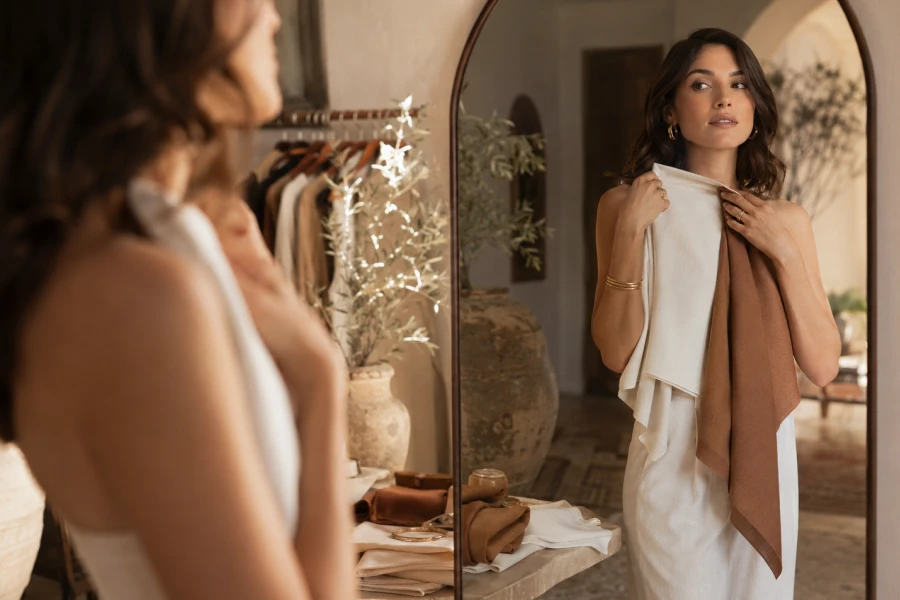
Smart travel purse size planning helps you move through airports, hotels, streets, and restaurants without feeling scattered. The right travel purse protects documents, cards, phone chargers, medication, cosmetics, and small comfort items. It must stay secure without making access difficult. It also needs to coordinate with outfits because travel photos often happen unexpectedly. Many people either overpack a heavy tote or underpack a tiny crossbody. Both choices create stress. A better travel purse feels light, organized, and ready for changing plans. When size is chosen with intention, your first day away begins with confidence instead of constant searching.
Your travel purse should be chosen before the suitcase closes. That timing helps you decide which essentials belong on your body and which belong in luggage. Passports, cards, medication, and phone accessories need priority. Makeup, snacks, and extra items can be edited more carefully. The travel bag size framework makes this decision easier because it separates access items from backup items. A purse should not become a second suitcase. It should carry what you need quickly, safely, and repeatedly throughout the day.
Travel bags need security before capacity. A roomy open tote can feel convenient until you enter a crowded station. Secure zippers, interior pockets, and close-to-body straps matter in unfamiliar places. Crossbody styles often perform well because they leave hands free. However, the strap must feel comfortable after hours of walking. Small anti-theft details can help, but basic organization matters more. Keep valuables in predictable locations. Avoid digging through layers in public spaces. Your best travel purse should reduce attention, not create it. A calm bag setup helps you enjoy the destination instead of guarding your belongings constantly.
Flight days and city days require different thinking. At the airport, you need documents, electronics, sanitizer, headphones, and easy access to essentials. In the city, you may need sunglasses, cards, water, a compact camera, and a small cosmetic pouch. One purse can handle both if the size is carefully chosen. Medium crossbody bags and compact shoulder bags often work better than oversized totes. They carry enough without becoming tiring. A useful vacation purse planning system keeps your travel setup stylish, secure, and realistic for long walking days.
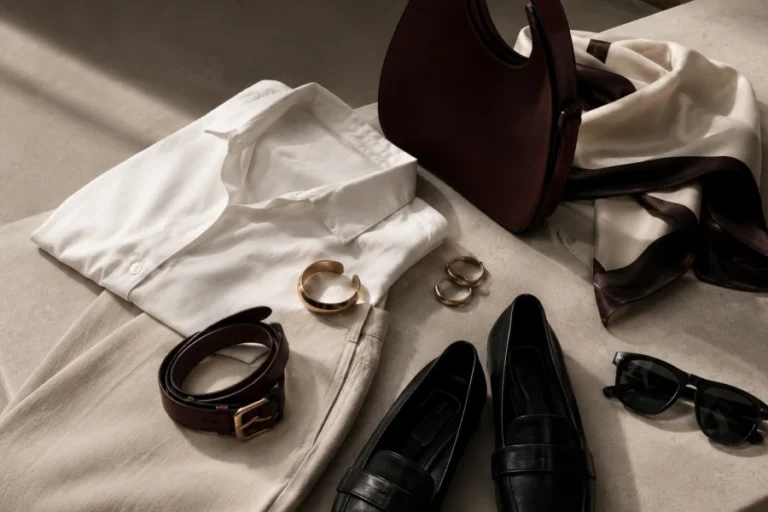
Travel wardrobes usually repeat pieces, so accessories carry extra visual weight. A purse that works with several outfits earns its space immediately. Neutral colors are reliable, but texture can make simple looks feel more styled. A woven crossbody, smooth leather shoulder bag, or sleek nylon option can each create a different mood. Think about your shoes, outerwear, and destination climate. A bulky bag may feel wrong with summer dresses. A tiny bag may look impractical with layered winter outfits. Size should support both movement and photos. The best travel purse quietly improves every outfit it touches.
Overpacking starts when every possible inconvenience feels urgent. Travel purse size planning prevents that pattern by setting limits before you leave. Choose one pouch for small items. Choose one pocket for documents. Choose one area for tech. Once those zones are full, stop adding extras. This creates a natural editing process. It also prevents the purse from becoming misshapen or uncomfortable. The carry-on accessory strategy helps organize essentials without turning your handbag into a burden. Lightness is a luxury when travel days become long.
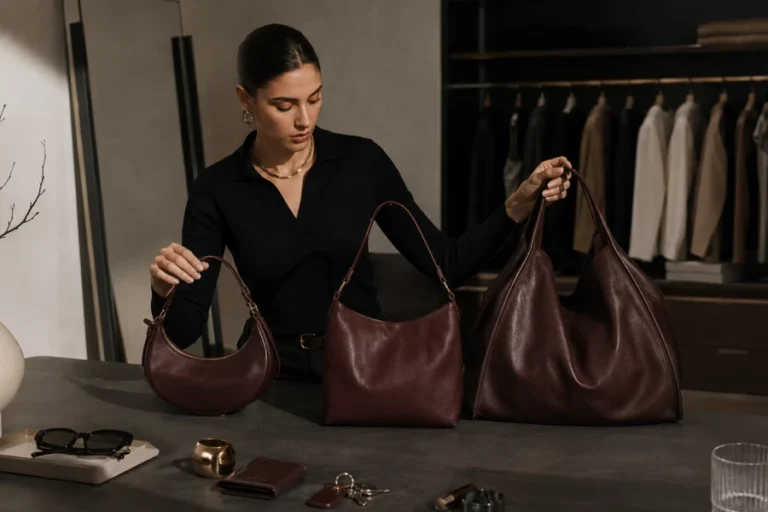
A strong travel bag rotation can be simple. Keep one secure crossbody for busy sightseeing days. Add one polished small shoulder bag for dinners and relaxed evenings. Use a larger personal item only when flights require more storage. This three-part approach covers most trips without excess. It also protects your style from feeling repetitive. Each bag should have a clear reason for coming with you. If it only works with one outfit, reconsider it. Travel rewards versatility. When your purse choices are planned, you spend less time managing stuff and more time enjoying where you are.

Leave a comment