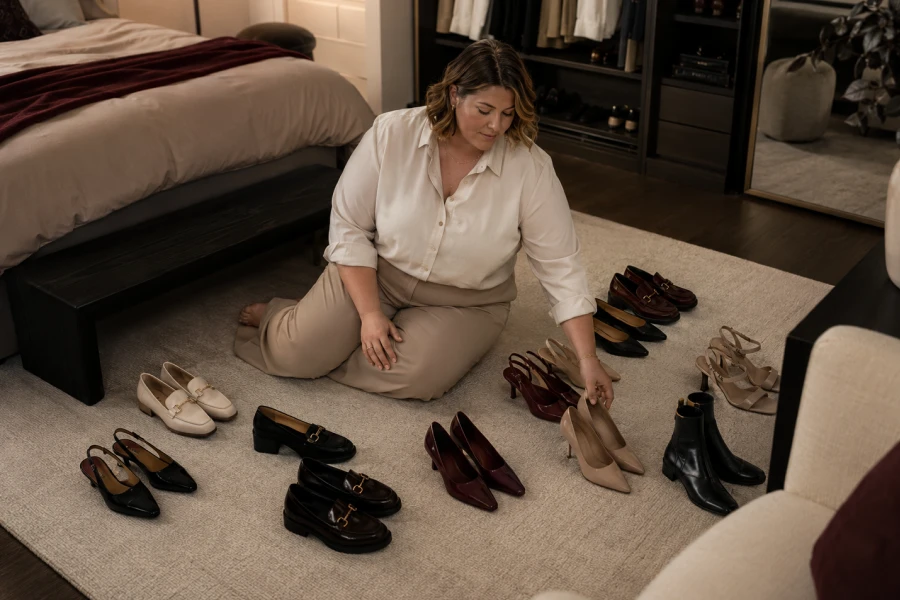
Strong shoe storage solutions for small spaces can transform cramped corners into useful, attractive zones. Shoes create clutter quickly because they are bulky, varied, and used at different times. A small apartment, narrow entryway, or compact closet needs storage that respects every inch. The best setup combines visibility, airflow, and easy access. It should also support the way your household actually moves. Many people buy racks first and plan later. That usually creates more mess. A better approach starts with measuring, editing, and assigning zones. When storage fits the space, even a tiny home feels more breathable.
Small spaces cannot hold unlimited categories in one place. Divide shoes into daily, seasonal, special occasion, and backup groups. Daily pairs deserve the easiest access. Seasonal pairs can move under beds, onto higher shelves, or into labeled containers. Special occasion shoes need protection, not prime real estate. The compact shoe organization system makes these decisions simpler. Zones prevent every pair from competing for the same shelf. They also help the home feel intentionally arranged instead of crowded.
When floor space is limited, walls and doors become valuable. Over-the-door organizers work well for flats, sandals, slippers, and children’s shoes. Tall narrow shelves can hold several pairs without widening the footprint. Stackable units create flexibility for changing collections. However, vertical storage must remain easy to reach. If shoes become difficult to return, the system breaks quickly. Place frequent-use pairs between knee and shoulder height when possible. Reserve higher spaces for occasional pairs. Small-space storage succeeds when it reduces effort. The easier the system feels, the more consistently people use it.
The front door often needs the strictest limits. A slim rack, closed cabinet, or two-tier bench can handle daily pairs without taking over the entryway. Choose storage that matches traffic patterns. A busy family may need open shelves for speed. A style-focused apartment may benefit from a closed cabinet. The entryway footwear storage plan helps balance convenience and visual calm. Keep only current shoes near the door. Everything else should live in secondary storage. That rule protects the first impression of your home.
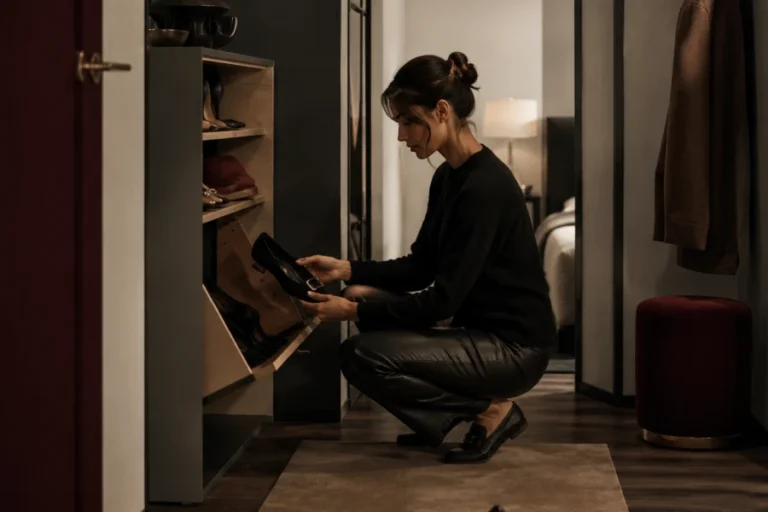
Hidden storage works only when it remains accessible. Under-bed boxes, ottomans, bench compartments, and closet bins can hold shoes beautifully. Yet they become useless if opening them feels annoying. Use hidden storage for pairs you do not need daily. Clear lids or simple labels prevent forgetting what is inside. Fabric boxes may look softer, while plastic boxes can protect against dust and moisture. Choose based on location and climate. Avoid cramming shoes tightly into hidden spaces. Small homes need function, not just invisibility. A hidden system should reduce clutter without hiding your options completely.
Visual consistency makes compact storage feel more elevated. Matching shelves, repeated boxes, or coordinated baskets reduce visual noise. Neutral finishes often blend well with walls and furniture. Wood tones can warm up practical storage. Metal racks feel lighter in modern spaces. A refined space-saving shoe display strategy keeps organization from looking temporary. Even inexpensive storage feels better when it looks intentional. The goal is not hiding every shoe. The goal is making the collection feel edited, arranged, and easy to manage.
Small spaces need faster resets because clutter shows immediately. Create a nightly or weekly shoe check depending on household size. Return misplaced pairs, remove extras from the entryway, and wipe dirt before it spreads. Keep a donation bag nearby during seasonal transitions. Shoes that no longer fit your life should not occupy premium space. This habit matters more than any organizer. A beautiful rack cannot overcome constant overflow. When your collection stays edited, storage performs better. Small homes become easier to enjoy when every pair has a place and every place has a limit.

Leave a comment